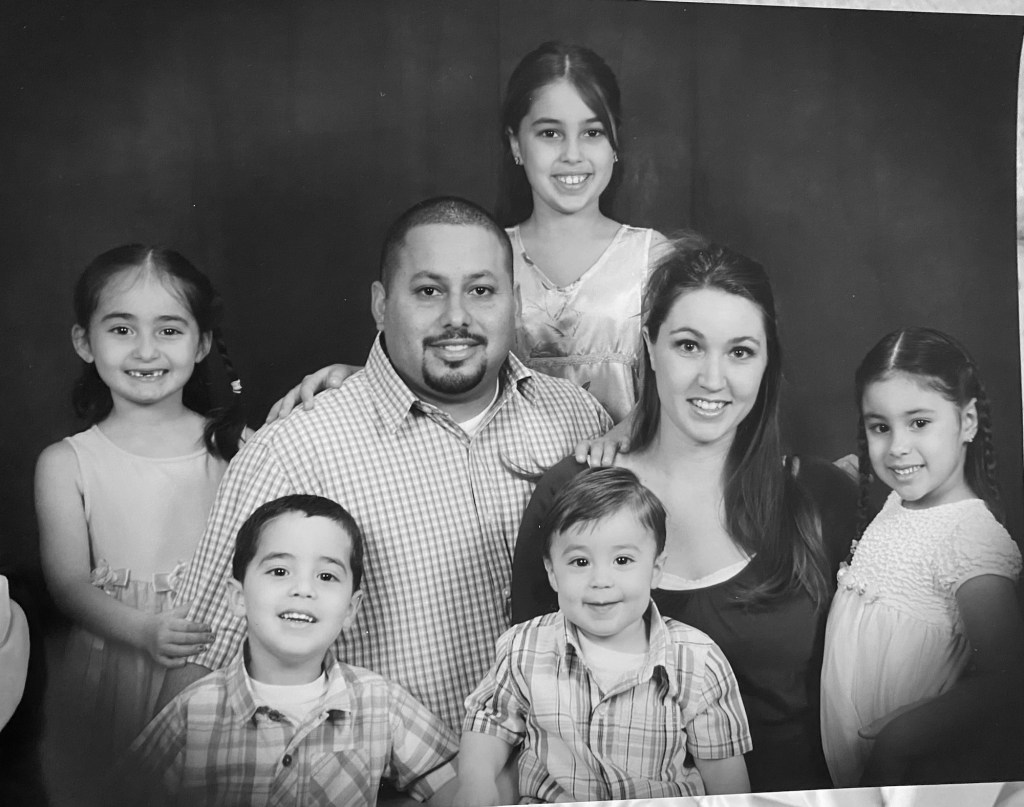
There’s a quiet shift that happens as we grow up. It’s more than moving out, getting married, or becoming a parent. At some point, many of us realize the role we played in our family no longer fits who we are becoming.
Family roles are often formed early and shaped by personality, culture, birth order, expectations, and sometimes unspoken trauma. Most of us didn’t consciously choose these roles; we stepped into them because someone had to, and over time they became part of our identity.
Adulthood changes things. Responsibilities evolve, priorities shift, and emotional capacity gets redistributed. The person you’re becoming starts asking for a different way of living, even if it feels unfamiliar or uncomfortable at first. Letting go of an old family role can bring guilt and resistance, but it’s also a deeply normal part of maturing.
Common Family Roles People Grow Up With
You may recognize yourself in one of these patterns:
The Caretaker / Saver
The one everyone leans on, the fixer, the emotional support system, the reliable person who drops everything when someone calls.
The Peacemaker
The mediator who keeps tension low, smooths things over, avoids conflict, and quietly manages the emotional temperature of the room.
The Achiever
The high performer whose success becomes a contribution to the family, making everyone proud while carrying pressure privately.
The Responsible One
The mature sibling who handled more than their age and often felt like a third parent rather than a child.
The Rebel
The boundary pusher who challenges norms, questions authority, and often absorbs the family’s frustration.
The Invisible One
Independent and low-maintenance, learning early not to ask for much and to handle things alone.
These roles aren’t inherently negative. They often helped the family function and helped us navigate seasons we didn’t fully understand at the time. However, roles that protected us growing up don’t always serve us in adulthood.
Before Adulting: How Roles Take Root
As kids, we adapt quickly. We notice what’s needed, sense emotional gaps, and step in where there’s space, sometimes intentionally, often subconsciously. Over time, the role becomes more than behavior; it becomes identity. You’re not just helpful, you’re the helper. You’re not just responsible, you’re the strong one. Families grow accustomed to that version of you, and the dynamic begins to depend on it.
When Life Changes, Roles Need To Change Too
Major transitions like moving out, building your own home, getting married, becoming a parent, or simply maturing naturally shift where your energy goes. Time is no longer unlimited, emotional capacity has new priorities, and your circle of responsibility changes. This shift isn’t abandonment; it’s alignment with the life you’re building.
Growing into your own adulthood often means your old role no longer fits the person you’re becoming.
My Experience: Letting Go of the Caretaker/Saver Role
Growing up, my role in the family was the saver. Part of that came from trauma connected to my dad, and part of it came from my deeply empathetic nature. I became the one who helped, fixed, carried, and showed up no matter what. Whether intentionally or subconsciously, I felt responsible for making things better and would drop everything for everyone.
Now I’m married with a child of my own, and I’ve felt a natural, gradual shift. I don’t experience the same pull to rescue everyone because my energy is centered on the family I’m building and the home I’m nurturing. This change hasn’t come from coldness or distance, but from a more grounded and healthy understanding of my limits and priorities.
I’m still caring and empathetic, but I’m no longer overextending myself to carry roles that don’t belong to this season of my life.
How Families Often React When You Change
Stepping out of an old role can disrupt familiar patterns and long-standing dynamics. Families may expect you to keep showing up the same way, feel confused by your boundaries, interpret change as distance, resist the shift because it alters the dynamic, or take your growth personally. Change can be uncomfortable, especially for people who benefited from who you used to be, but discomfort doesn’t make your growth wrong… it simply makes it new.
It’s Okay to Outgrow Old Roles
You’re allowed to change, evolve, and step into a different role in this season of life. Letting go isn’t betrayal, moving forward isn’t hurtful, and becoming someone new isn’t rejection. It’s growth, maturity, and life unfolding the way it’s meant to.
You can honor where you came from while still choosing who you’re becoming, and both can exist at the same time.


 mamashonestjournal
Leave a comment